When Customers Won't Accept No: The Priming Technique That Cuts Call Time by 75%
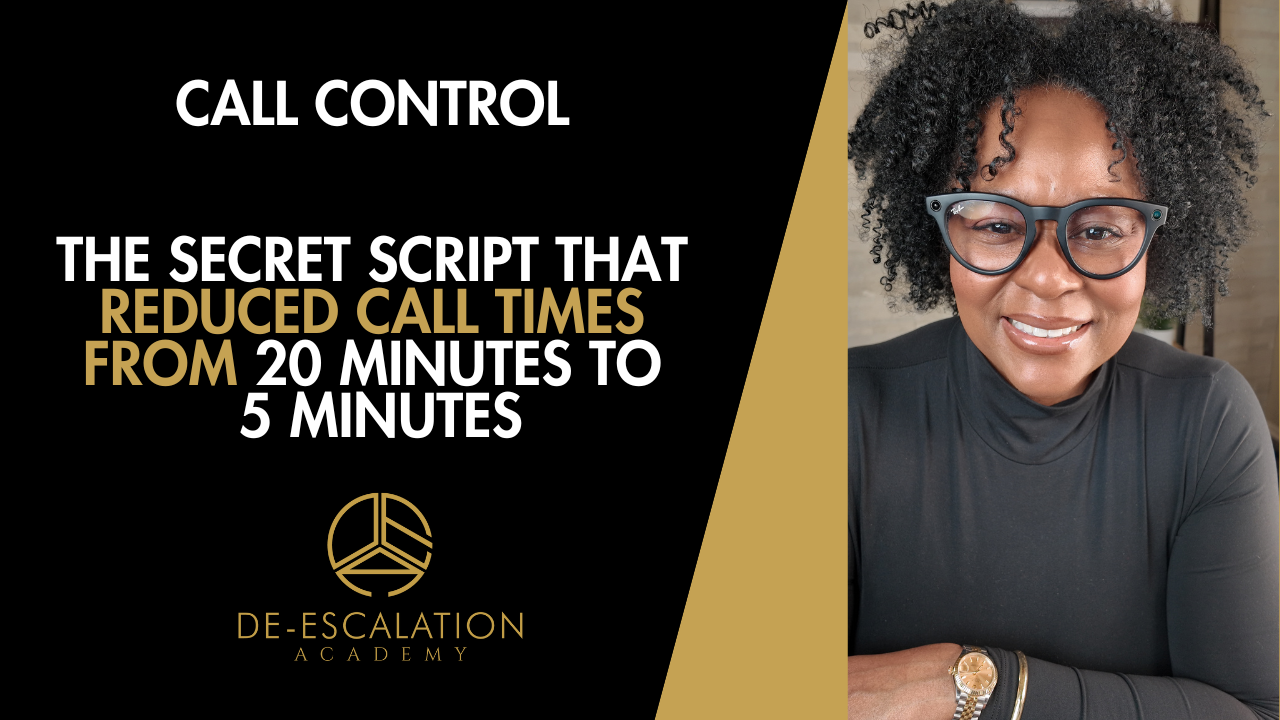
Picture this: you've just delivered the news a customer didn't want to hear. Maybe it's a policy they can't get around, a service you can't provide, or a fee they have to pay. You've explained everything clearly, but they're still on the line. And they keep asking the same questions, hoping for a different answer. Sound familiar?
This is one of the most frustrating situations in customer service - when you've done everything you can, but the customer won't accept your final answer. They linger on the phone, repeating themselves, getting more upset, and your call time keeps climbing. But what if I told you there's a psychology-backed technique that can help customers accept your word as final and end calls gracefully?
It's called psychological priming, and it's about to change how you handle these challenging conversations.
What Is Psychological Priming?
Let me show you how priming works with a simple example. Imagine I show you a four-letter word that starts with "H" and ends with "R." Before you guess what it is, I mention I'm using my afro pick to style my Fro, and I do this with an image of woman rocking a Afro in the background.
What word did you think of? Probably "hair," right?
That's psychological priming in action. I used specific words and concepts - afro pick, styling, natural hair - to guide your mind toward the answer I wanted. Your brain made the connection automatically.
In customer service, we can use this same principle to guide customers toward accepting our final answer and ending the call on a positive note.
See the demonstration in this video!
The Power of Intentional Word Choice
Here's a real example from a utility company I worked with. They were struggling with customers who had to pay previous tenants' debts before getting water service turned on. These calls averaged nearly 20 minutes because customers couldn't believe they had to pay someone else's bill.
The old approach was straightforward but ineffective:
"The debt is attached to the meter, regardless of who accrued the debt. ABC Utility won't turn on water until the bill is paid."
This was factual and concise, but it got pushback 100% of the time. Customers would argue, demand supervisors, and keep the conversation going in circles.
The priming approach I developed was different:
"As a solution, I have two suggestions. First, you need to talk to your landlord - tell them there's a debt on the meter and that you can't turn on water service. See if they'll work something out for you. The second option, and I would do this immediately, is look carefully at your lease to see if there's any clause that protects you in this situation."
Breaking Down the Psychology

Every word in that priming statement was intentional. Let me show you how each piece works:
"Solution" and "suggestions" prime the customer to feel supported and like they have options. When people feel they have choices, they're more likely to de-escalate naturally.
"You need to talk to your landlord" is a direct prime to get the customer to hang up and contact someone who might actually be able to help them.
"Second option" reinforces the feeling of having choices and control over their situation.
"Immediately" creates urgency to take action and move forward rather than staying stuck on the phone.
"Protects you" shows you're in their corner, even though you can't give them what they want.
The Results Speak for Themselves
After implementing this priming approach, those 19-minute calls dropped to under 5 minutes. That's a 75% reduction in call time, all because we guided customers' thinking toward acceptance and action rather than resistance and repetition.
How to Create Your Own Priming Statements

You can't usually create effective priming statements on the fly. They require thoughtful preparation. Here's how to develop them:
Identify your desired outcome. Where do you want the customer to go? What do you want them to do after the call?
Choose your primers carefully. What words will guide them toward that outcome? Think about words that create urgency, options, support, or forward movement.
Test and refine. Work with your team to develop statements, then test them in real situations and adjust based on what works.
Practice until it feels natural. The more you use these statements, the more comfortable and authentic they'll sound.
Remember, this isn't about manipulation - it's about clear communication that helps customers understand their next steps and feel supported, even when you can't give them what they initially wanted.
Beyond the Words: The Mindset Shift

The beauty of psychological priming is that it changes the entire dynamic of difficult conversations. Instead of getting stuck in repetitive explanations, you're guiding customers toward productive action. You're not just saying "no" - you're showing them what they can do instead.
This approach preserves the customer experience while protecting your time and energy. Customers leave feeling like they have a path forward, even if it's not the one they originally hoped for.
Putting Priming Into Practice
The next time you're facing a customer who won't accept your final answer, remember that your word choice matters more than you might think. Instead of repeating the same facts, try priming them with words that:
- Create a sense of options and control
- Point them toward productive next steps
- Show you're on their side
- Generate urgency to take action
Start by identifying one challenging scenario your team faces regularly. Work together to craft a priming statement that addresses it. Test it, refine it, and watch how it changes those difficult conversations.
Psychological priming isn't just about ending calls faster - though that's certainly a benefit. It's about helping customers feel heard, supported, and empowered to take their next steps, even when you can't be the one to solve their problem directly.
Your words have more power than you realize. Use them intentionally, and you'll find that customers are much more willing to accept your guidance and end conversations on a positive note.
Myra Golden's De-escalation Academy
A psychology-based system that helps professionals stay calm, redirect difficult conversations, and confidently resolve interactions—even when the answer is no.
Used by teams at Fortune 500 companies and NFL guest experience organizations.
Join Myra’s Inner Circle: Insights, Strategies, and Resources for Leaders Who Demand the Best.
Be the first to receive exclusive strategies, curated resources, and behind-the-scenes insights from Myra Golden—crafted for leaders who value excellence.
Your information will remain private and protected—always.
